
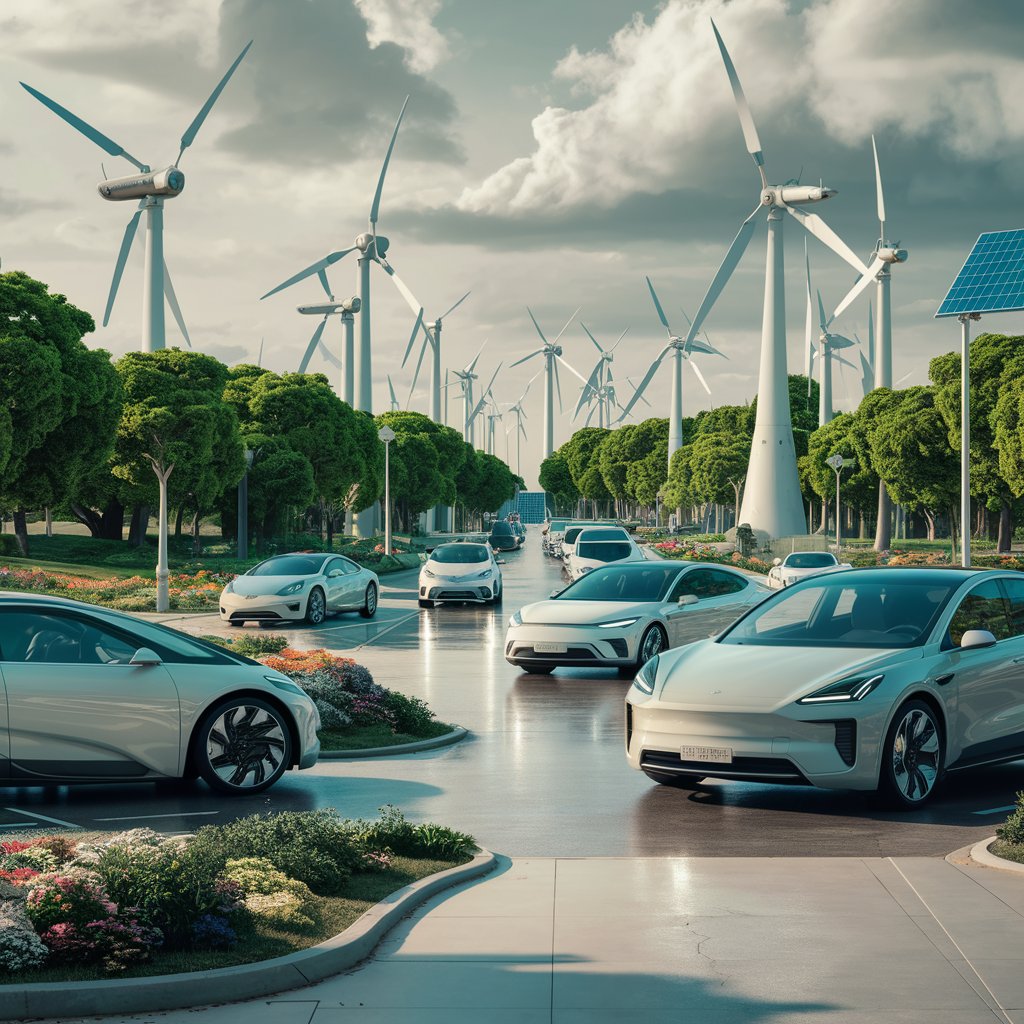
How Electrifying Transportation Helps the Environment
The global push towards electrifying transportation is not just about adopting new technology or achieving energy independence; it’s fundamentally about […]
The global push towards electrifying transportation is not just about adopting new technology or achieving energy independence; it’s fundamentally about […]

Electric vehicles (EVs) hold immense potential for sustainable transportation, but their adoption in third world countries remains slow. This article examines the critical role of government incentives in overcoming barriers such as high upfront costs, limited charging infrastructure, and economic constraints. By providing financial subsidies, developing robust charging networks, and increasing public awareness, governments can accelerate the transition to electric mobility. Learn how effective policies and incentives can drive EV adoption, ensuring a cleaner and more sustainable future for developing nations.

Electric vehicles (EVs) are revolutionizing more than just transportation—they’re becoming essential tools for home energy management. This article explores how EVs equipped with vehicle-to-grid (V2G) and vehicle-to-home (V2H) technology can serve as reliable battery backups during power outages or support off-grid living. By leveraging the advanced capabilities of models like the Nissan Leaf, Tesla’s Powerwall-integrated cars, and the Ford F-150 Lightning, homeowners can enhance energy security, reduce costs, and contribute to a sustainable future. Discover the potential of using your EV as a home battery backup and how it can transform your approach to energy management.
### Excerpt:
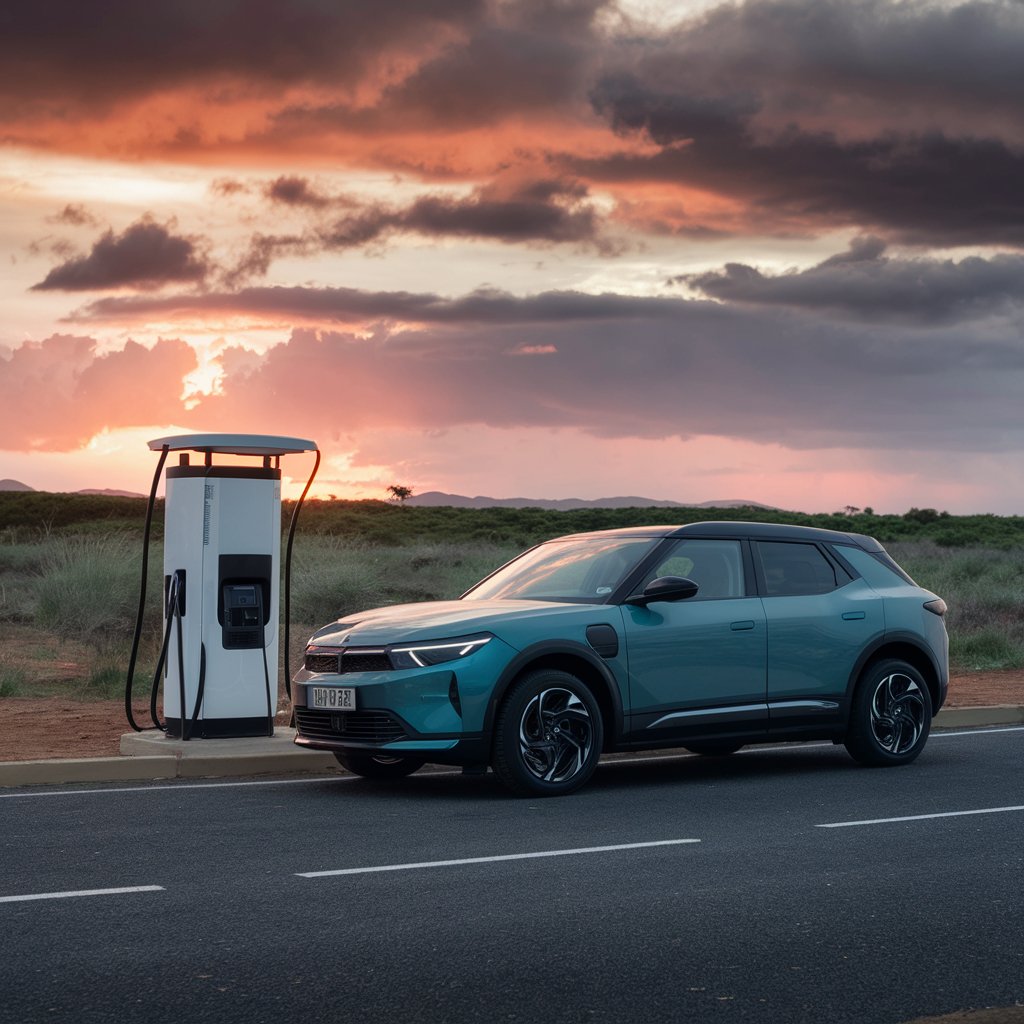
Electric vehicles (EVs) are gaining traction globally, but Africa, particularly Morocco, faces unique challenges in building the necessary charging infrastructure. This article delves into the current state of EV charging networks in Africa, focusing on the limited number of charging stations, infrastructure challenges, and government initiatives in Morocco. It also explores the steps needed to advance EV infrastructure, including policy incentives, investment, and innovative solutions to make electric vehicle adoption more feasible and widespread across the continent.

The transition to electric vehicles (EVs) promises a cleaner, more sustainable future, but high costs have been a barrier for many consumers. In this article, we explore why electric cars are expensive, highlighting factors such as battery production, research and development, and manufacturing infrastructure. Additionally, we delve into how Chinese brands are leading the industry by innovating with affordable EV solutions. From government support to technological advancements, Chinese automakers are reshaping the market and making electric vehicles more accessible than ever before.
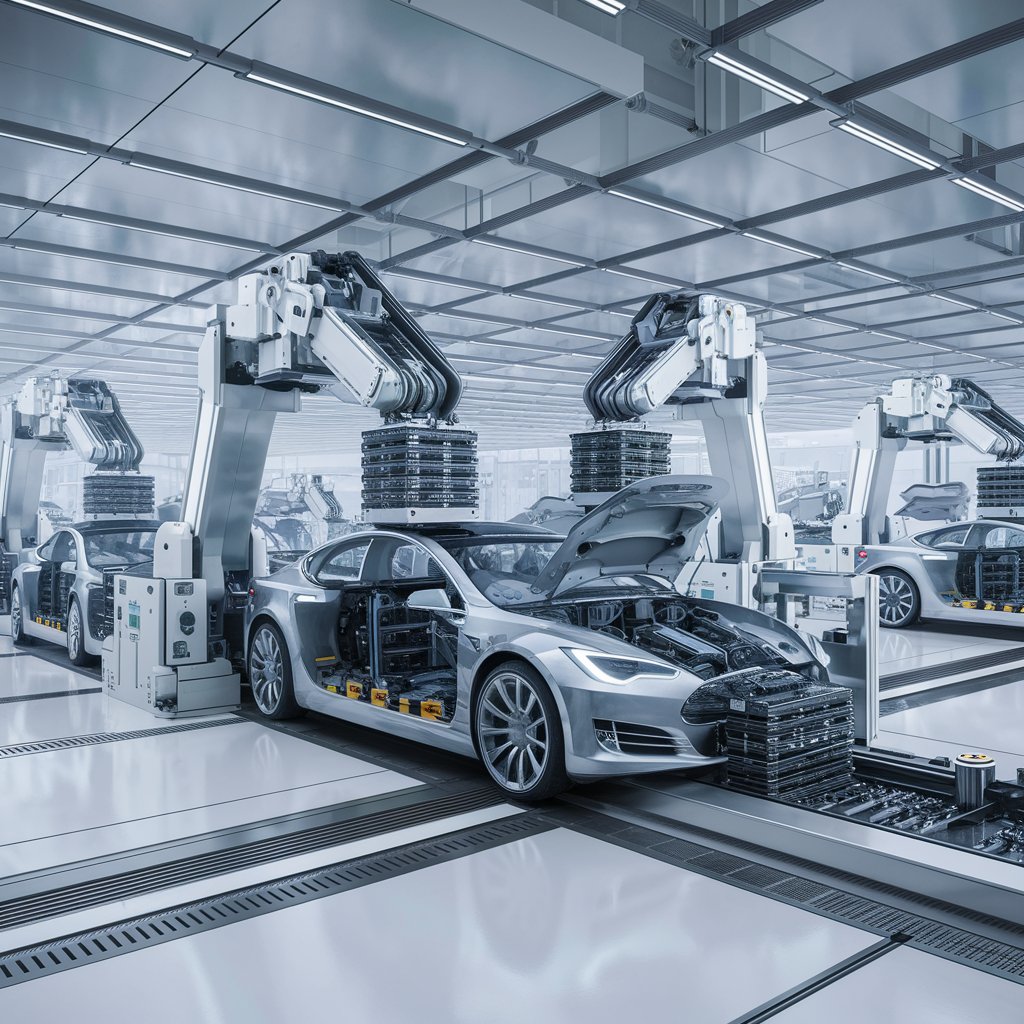
As the world shifts towards more sustainable and eco-friendly modes of transportation, understanding the different types of batteries powering electric vehicles is crucial. From the commonly used lithium-ion batteries to emerging solid-state technology, each type has unique characteristics and applications. This article delves into the origins and types of EV batteries, featuring examples from popular models like the Tesla Model S and Toyota Prius. Whether you’re an EV enthusiast or considering your first electric car, this comprehensive guide will help you navigate the evolving landscape of electric vehicle technology.
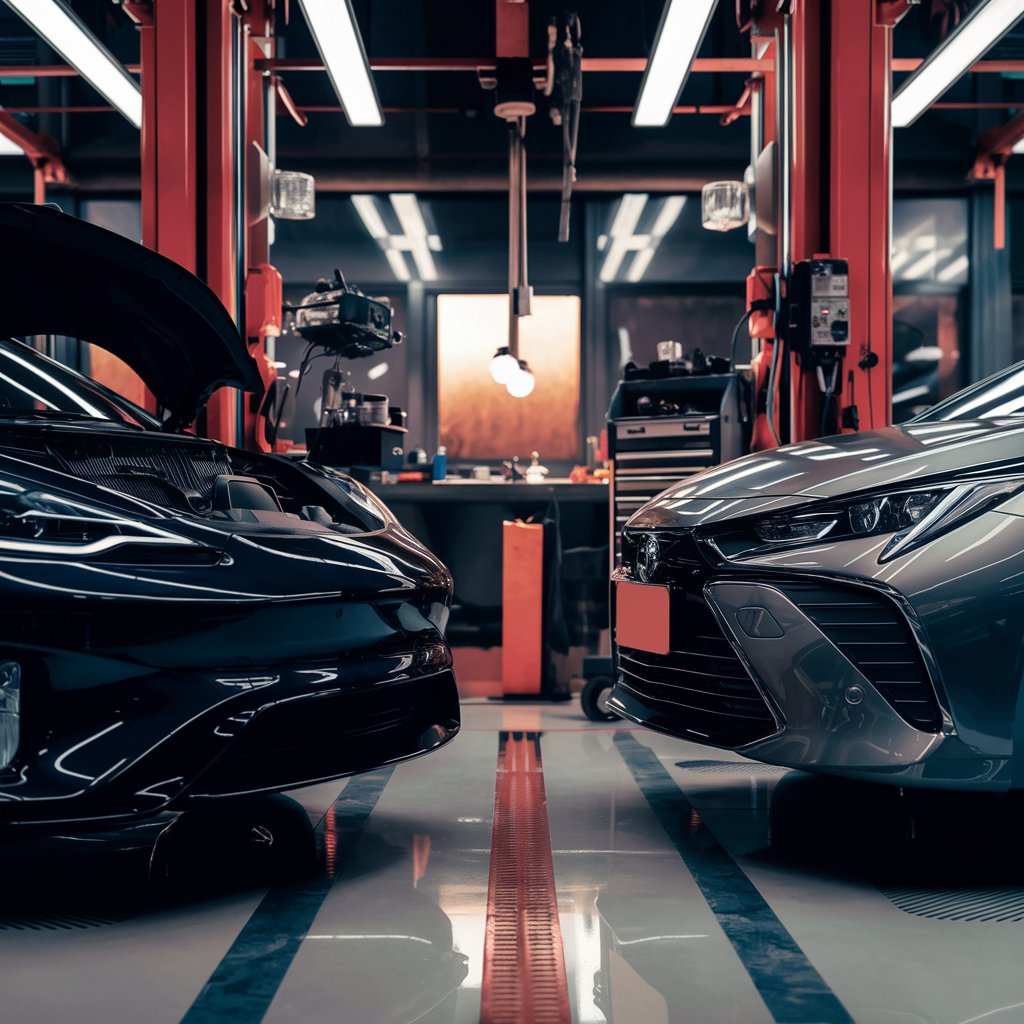
As the world shifts towards more sustainable and eco-friendly modes of transportation, the variety of electrified vehicles on the market
