
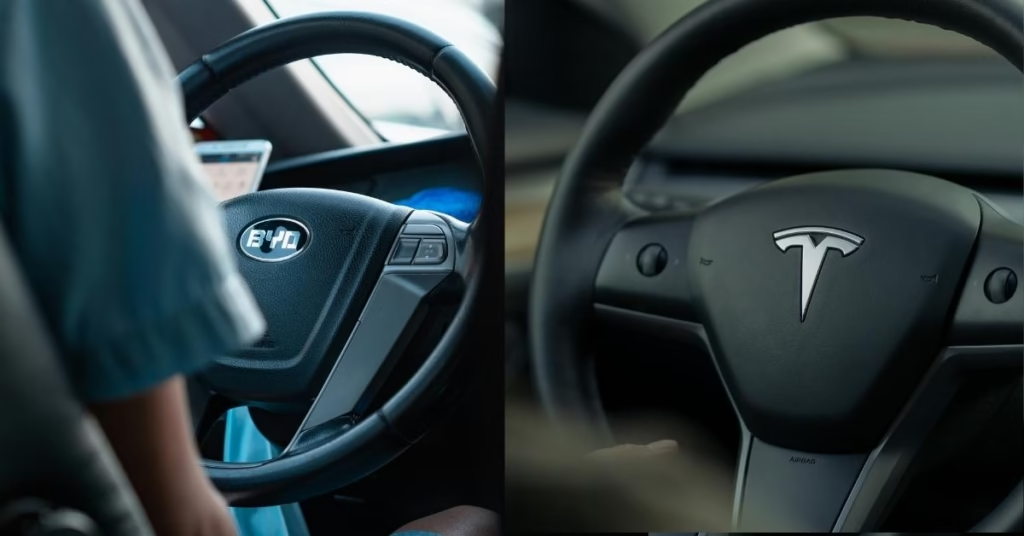
BYD vs Tesla: How BYD Surpassed Tesla for the First Time
In the electric vehicle (EV) world, two names have dominated headlines over the past decade: Tesla and BYD. Tesla, the […]
In the electric vehicle (EV) world, two names have dominated headlines over the past decade: Tesla and BYD. Tesla, the […]

Maximizing fuel efficiency in a hybrid vehicle is essential for getting the most out of your investment while also reducing
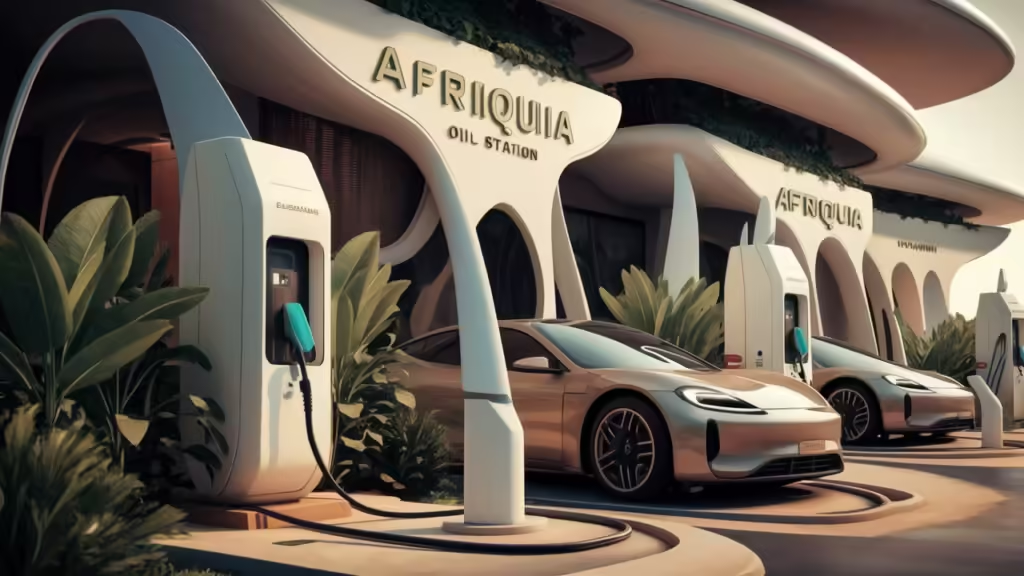
Global EV charging standards are crucial for the widespread adoption of electric vehicles. Major standards like Type 1, Type 2, CCS, CHAdeMO, GB/T, and Tesla Supercharger impact interoperability, infrastructure development, and technological advancements. Harmonizing these standards can drive the growth of EV infrastructure, reduce costs, and enhance the environmental benefits of electric mobility.
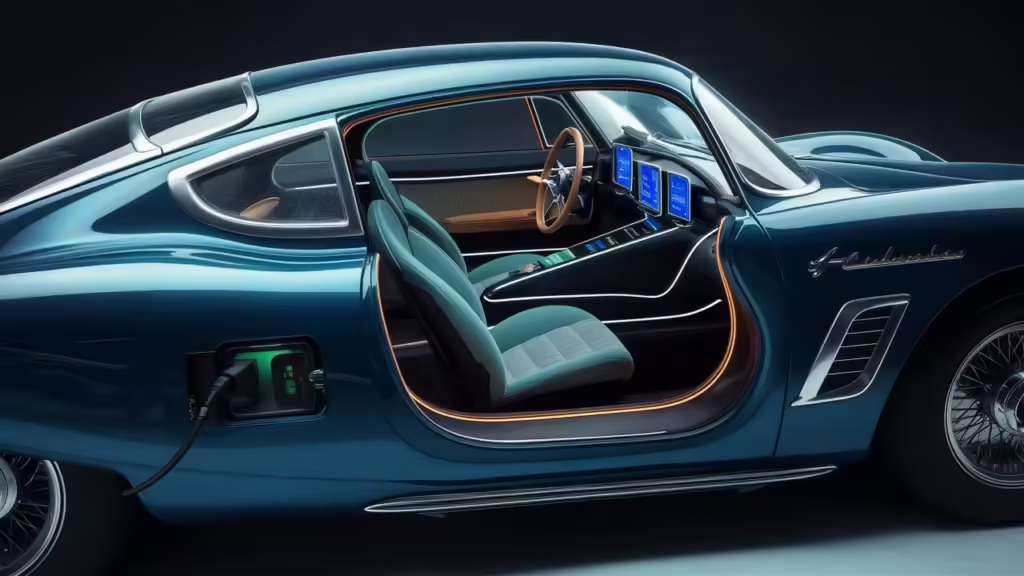
Converting classic cars to electric vehicles blends vintage charm with modern technology, enhancing performance and reducing environmental impact. This growing trend involves replacing internal combustion components with electric drivetrains, offering benefits like reduced emissions, preserved aesthetics, and lower operating costs. Despite the challenges, electric vehicle retrofitting is transforming the future of classic cars.
Artificial intelligence is revolutionizing electric vehicles by optimizing battery management, energy consumption, and predictive maintenance. AI enhances EV efficiency, performance, and user experience, paving the way for more reliable and sustainable transportation. From smart energy distribution to autonomous driving, AI is at the forefront of EV innovation.

Several countries are leading the global shift to electric vehicles (EVs) through innovative policies, incentives, and infrastructure investments. Norway, China, the Netherlands, Germany, the United Kingdom, and Sweden have successfully promoted EV adoption, significantly reducing their carbon footprints and setting benchmarks for sustainable transportation. Their strategies include tax benefits, subsidies, extensive charging networks, and ambitious future targets, showcasing the potential for a greener and cleaner future through electric mobility.
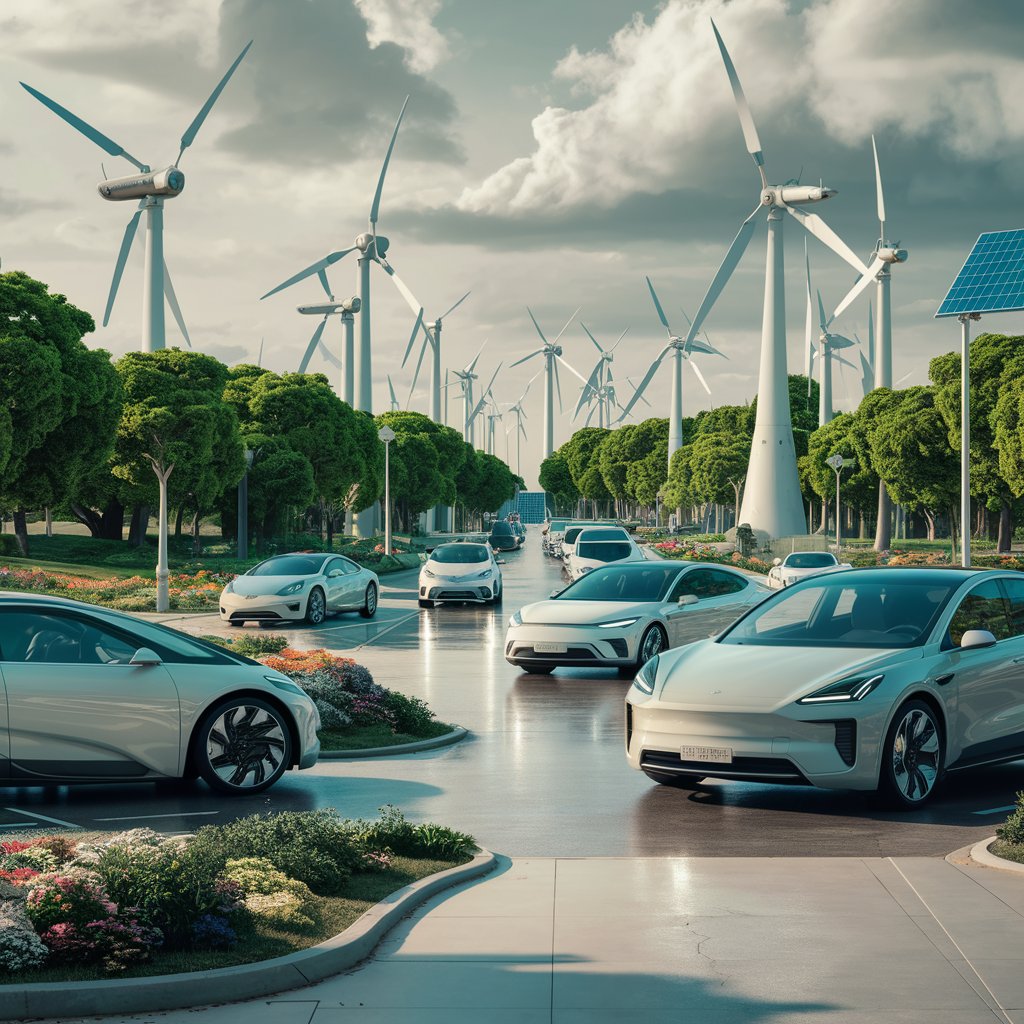
The global push towards electrifying transportation is not just about adopting new technology or achieving energy independence; it’s fundamentally about
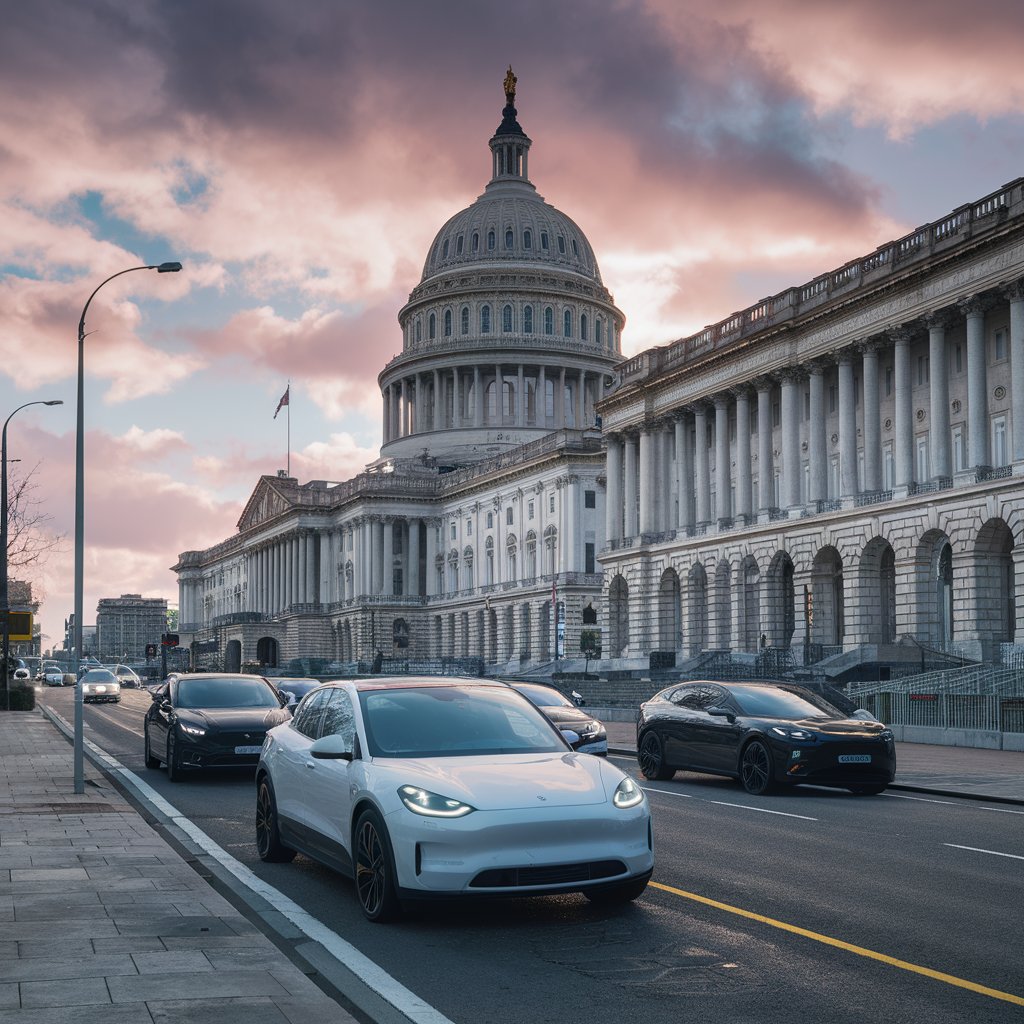
Electric vehicles (EVs) hold immense potential for sustainable transportation, but their adoption in third world countries remains slow. This article examines the critical role of government incentives in overcoming barriers such as high upfront costs, limited charging infrastructure, and economic constraints. By providing financial subsidies, developing robust charging networks, and increasing public awareness, governments can accelerate the transition to electric mobility. Learn how effective policies and incentives can drive EV adoption, ensuring a cleaner and more sustainable future for developing nations.